


As enterprises accelerate AI adoption, the focus has shifted from simple chatbot deployment to building structured, reliable, and production-ready AI agents. Businesses no longer need experimental prototypes — they need scalable systems that integrate with workflows, data, and compliance standards.
AI Agent Development Platform for Businesses
Wordware positions itself as an AI agent development platform designed to bridge the gap between prompt experimentation and enterprise-grade deployment. It provides a structured environment where teams can design, test, version, and deploy AI-powered workflows using large language models (LLMs) — without relying entirely on traditional engineering pipelines.
This article explores what Wordware is, how it works, and why it matters for businesses building AI agents at scale.
What Is Wordware?
Wordware is a platform built to help teams design, orchestrate, and deploy AI-driven workflows using natural language as a development interface. Instead of writing traditional backend code, users structure AI logic through modular, version-controlled prompt flows.
In simple terms:
- It treats prompts as programmable components
- It enables collaboration between technical and non-technical teams
- It provides production tooling for reliability and observability
Wordware is particularly valuable for product teams, AI teams, and operations teams that want to move beyond ad hoc prompt usage and into structured AI system design.
Why Businesses Need AI Agent Development Platforms
Many organizations begin their AI journey with basic API integrations from providers like OpenAI or Anthropic. However, as complexity grows, several challenges emerge:
- Prompt versioning becomes messy
- Debugging LLM behavior becomes difficult
- Collaboration across teams slows down
- Scaling workflows introduces instability
- Governance and compliance gaps appear
AI agent platforms like Wordware aim to solve these challenges by offering:
- Structured development environments
- Workflow orchestration
- Observability and testing tools
- Deployment-ready infrastructure
This shift mirrors the evolution of web development — from static scripts to structured frameworks.
Core Capabilities of Wordware
1. Prompt-as-Code Architecture
Wordware treats prompts as structured, modular units rather than static text strings.
This enables:
- Reusable prompt components
- Clear input/output definitions
- Controlled variable injection
- Logic branching and conditional flows
By modularizing prompts, businesses reduce duplication and improve reliability.
2. Visual Workflow Builder
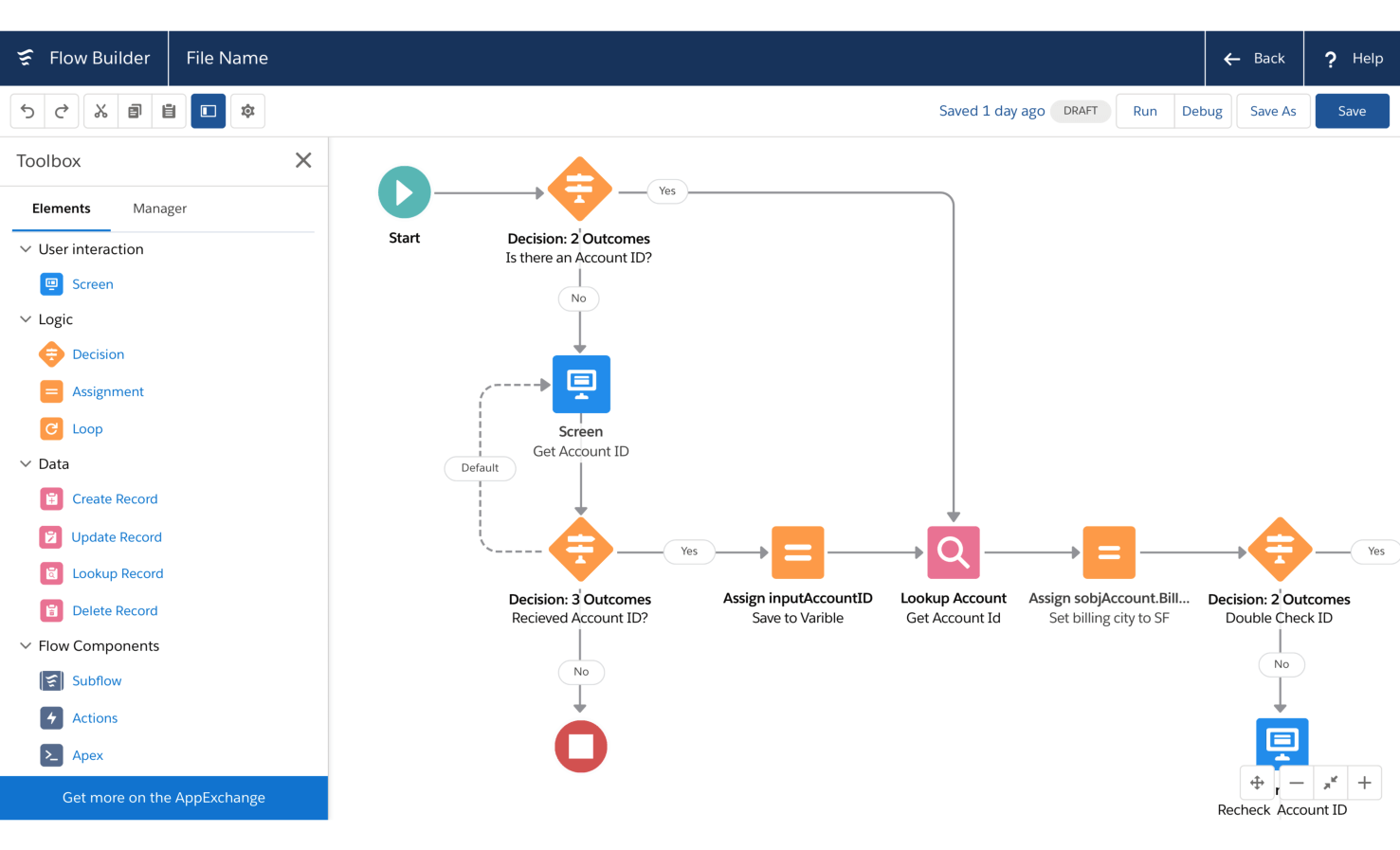
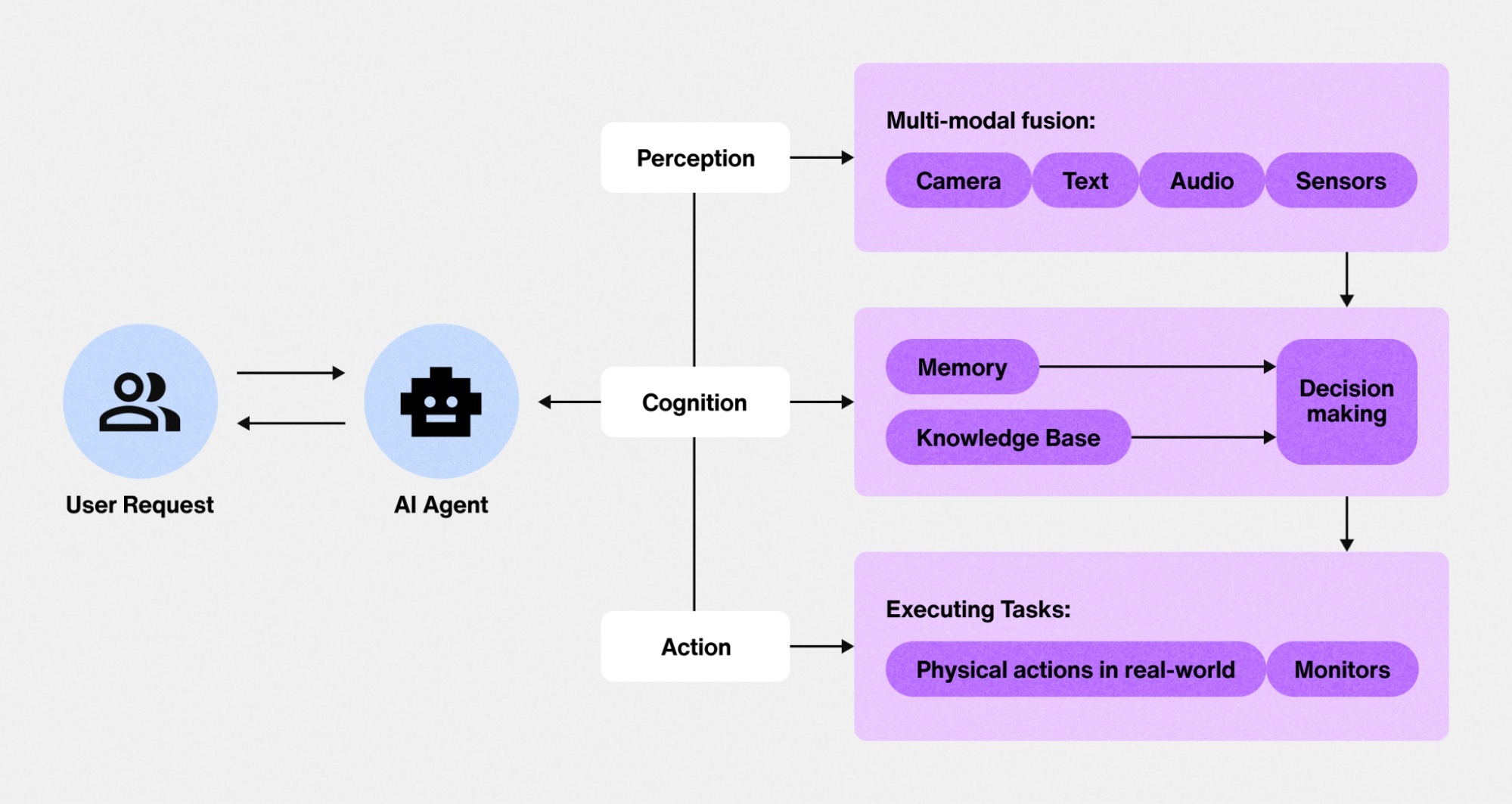
Wordware provides a visual interface where users can design multi-step AI workflows. These workflows can include:
- Input validation
- Prompt execution
- Memory handling
- Tool usage
- External API calls
- Post-processing logic
This visual orchestration reduces the barrier between product managers and engineering teams.
3. Multi-Model Support
Modern AI systems rarely rely on a single model. Wordware allows integration with multiple LLM providers, including APIs from:
- OpenAI
- Anthropic
This flexibility enables:
- Cost optimization
- Performance testing
- Redundancy strategies
- Model-specific tuning
4. Version Control and Experimentation
AI workflows evolve rapidly. Wordware enables:
- Prompt version tracking
- A/B testing
- Rollback functionality
- Experiment comparison
For businesses operating in regulated industries, version control is not optional — it is essential.
5. Observability and Monitoring
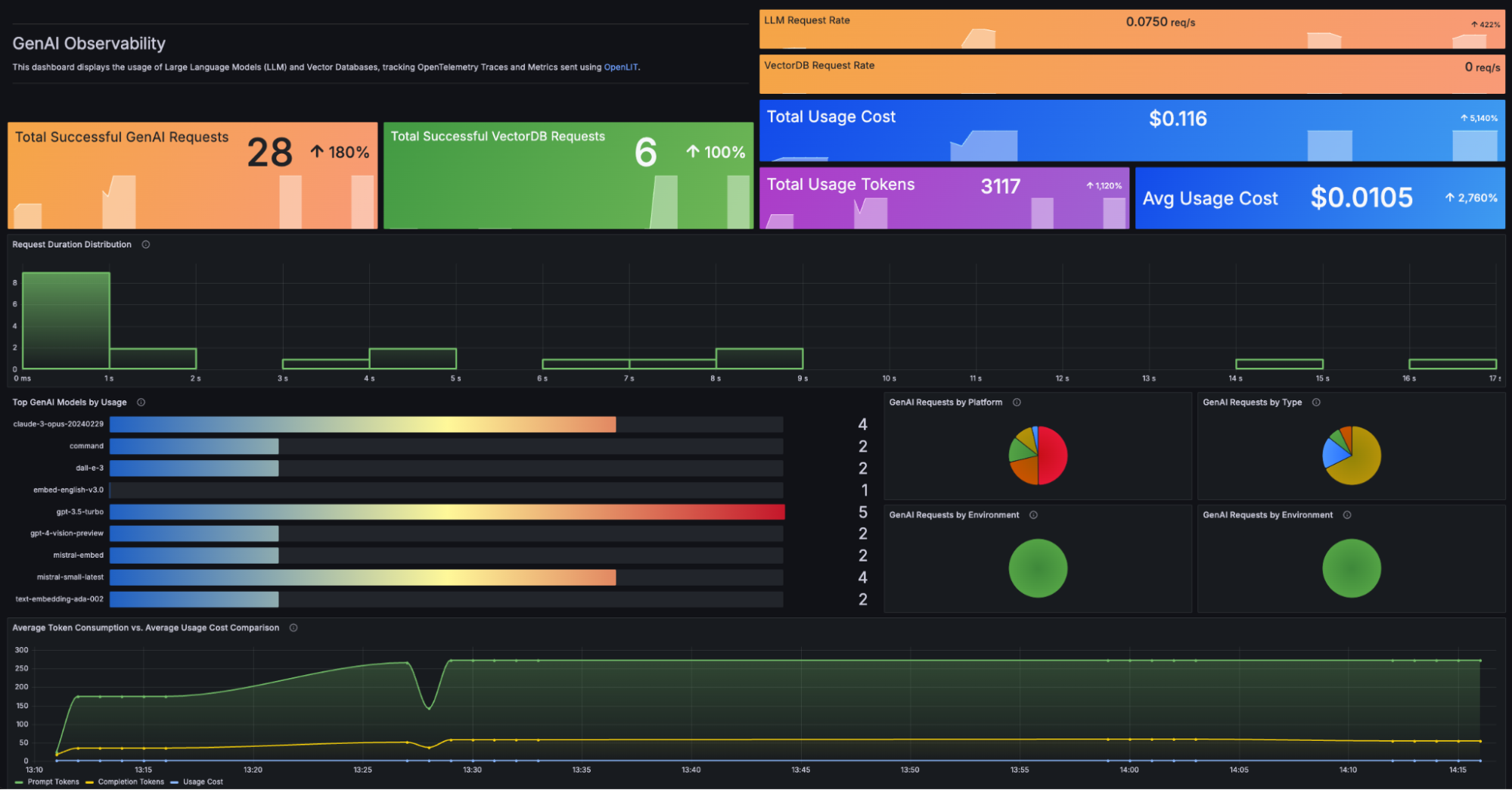
One of the most overlooked aspects of AI deployment is observability. Wordware provides tools to:
- Inspect model outputs
- Track token usage
- Monitor latency
- Detect anomalies
- Analyze failure patterns
This level of transparency supports both technical optimization and compliance audits.
6. Secure Deployment Infrastructure
Enterprise AI deployments must meet internal security and governance requirements. Wordware supports:
- Role-based access control
- Secure API handling
- Environment separation (dev, staging, production)
- Audit logging
These features allow businesses to operationalize AI without compromising security standards.
How Wordware Fits Into Enterprise Architecture
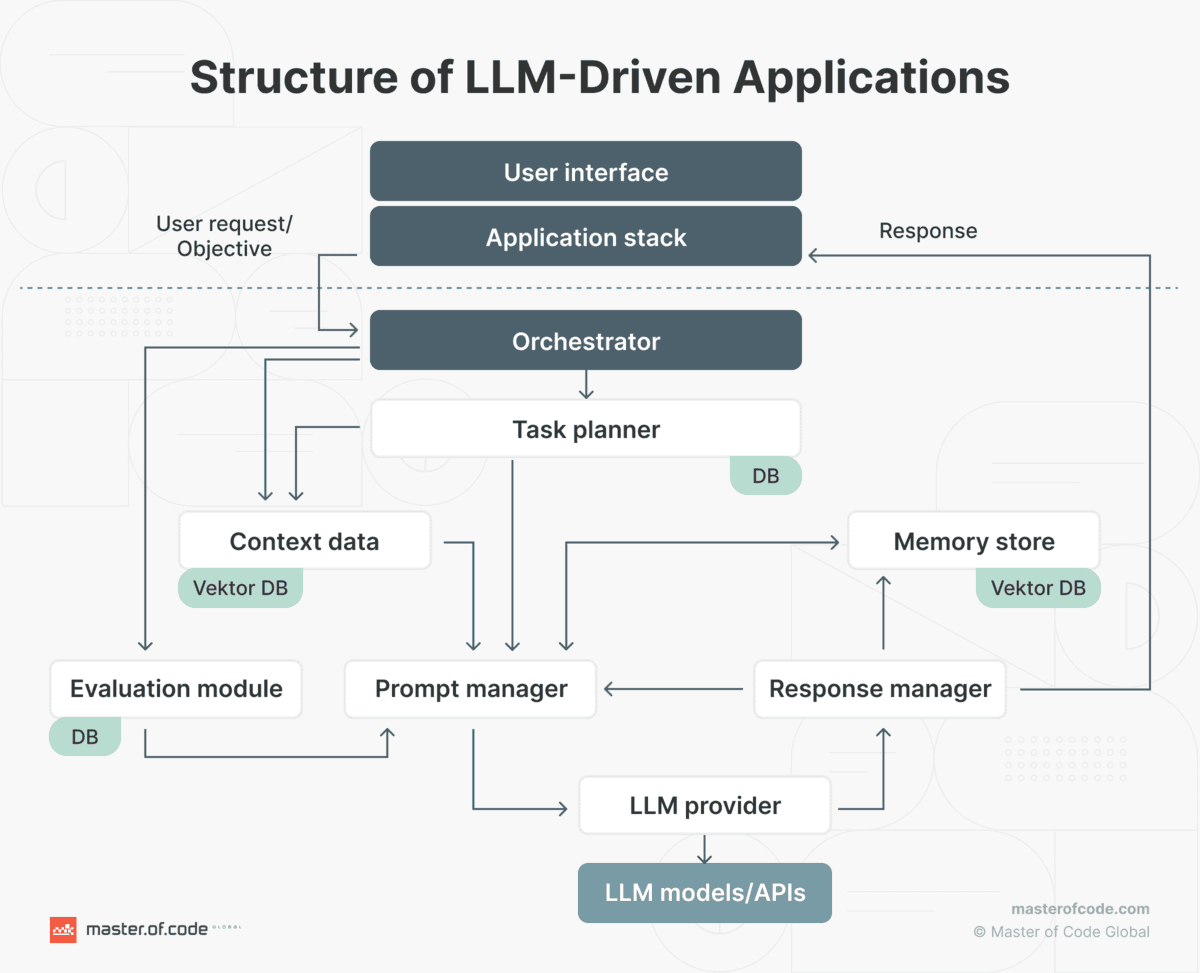
Wordware typically sits between AI model providers and business applications.
Typical stack architecture:
- User interface (web app, internal tool, CRM, etc.)
- Wordware workflow orchestration layer
- External APIs or tools
- LLM providers
This abstraction layer ensures:
- Logic is centralized
- Prompts are managed systematically
- Performance is measurable
- Iteration cycles are faster
Rather than embedding prompts directly inside product code, businesses use Wordware as a dedicated AI control layer.
Common Business Use Cases
Wordware supports a wide range of enterprise applications:
Customer Support Automation
- Multi-step response generation
- Intent detection
- Escalation workflows
- Knowledge base integration
Internal Operations Agents
- HR policy Q&A
- Contract analysis
- Report summarization
- Compliance checks
Sales & Marketing Automation
- Lead qualification workflows
- Personalized outreach generation
- Content variation testing
- CRM enrichment
Data Processing Pipelines
- Structured output generation
- Information extraction
- Classification systems
- Multi-step reasoning chains
These use cases benefit from structured orchestration rather than one-shot prompts.
Benefits for Cross-Functional Teams
For Product Teams
- Faster experimentation
- Reduced dependency on backend releases
- Rapid iteration cycles
For Engineering Teams
- Cleaner abstraction of AI logic
- Version control and reproducibility
- Reduced debugging overhead
For Compliance & Security Teams
- Traceable model behavior
- Audit logs
- Clear workflow documentation
Wordware effectively turns AI development into a collaborative, structured discipline.
Challenges and Considerations
While platforms like Wordware simplify development, businesses must still consider:
- Model reliability and hallucination risks
- Data privacy regulations
- Cost control across API calls
- Performance under scale
AI orchestration platforms enhance structure — but they do not eliminate inherent LLM limitations.
Successful implementation requires:
- Strong prompt engineering practices
- Testing across edge cases
- Clear failure-handling strategies
- Continuous monitoring
The Future of AI Agent Development
AI development is moving toward:
- Multi-agent systems
- Tool-integrated reasoning
- Workflow automation at scale
- Human-in-the-loop verification
Platforms like Wordware represent the infrastructure layer that enables this transition.
Rather than isolated chatbot integrations, businesses are building structured AI systems that operate like digital team members — following defined logic, interacting with tools, and producing measurable outcomes.
Conclusion
Wordware addresses a growing need in enterprise AI: structured, production-ready AI agent development.
By combining:
- Prompt modularity
- Workflow orchestration
- Model flexibility
- Version control
- Observability
it transforms AI experimentation into a scalable operational capability.
For businesses serious about deploying AI agents beyond prototypes, platforms like Wordware are not just helpful — they are becoming foundational infrastructure.
As enterprise AI matures, the ability to manage prompts like code, orchestrate logic visually, and deploy securely will define the next generation of AI-powered organizations.
Frequently Asked Questions (FAQ)
1. What is Wordware?
Wordware is an AI agent development platform that allows businesses to design, manage, and deploy structured AI workflows using large language models with built-in orchestration and version control tools.
2. Who is Wordware designed for?
Wordware is built for product teams, AI engineers, operations teams, and enterprises that need scalable, production-ready AI agents rather than experimental prototypes.
3. How is Wordware different from using LLM APIs directly?
Instead of embedding prompts directly into backend code, Wordware provides a structured orchestration layer with workflow logic, version tracking, monitoring, and testing capabilities.
4. Does Wordware support multiple AI models?
Yes. Wordware supports integration with multiple LLM providers, allowing businesses to switch, test, or combine models based on performance, cost, and use case requirements.
5. Can non-technical teams use Wordware?
Wordware includes a visual workflow builder that enables collaboration between technical and non-technical stakeholders, reducing reliance on engineering for prompt iteration.
6. What are common use cases for Wordware?
Common use cases include customer support automation, contract analysis, internal knowledge assistants, lead qualification workflows, content automation, and structured data extraction.
7. Does Wordware provide version control for prompts?
Yes. Wordware treats prompts as modular components with version control, enabling testing, rollback, and performance comparison across iterations.
8. Is Wordware suitable for enterprise deployment?
Yes. Wordware supports enterprise-grade features such as environment separation (dev/staging/production), audit logs, monitoring, and access control.
9. How does Wordware improve AI reliability?
By enabling structured workflows, monitoring outputs, tracking token usage, and testing multiple prompt versions, Wordware helps businesses reduce inconsistencies and deployment risks.
10. Is Wordware only for chatbots?
No. Wordware supports broader AI agent workflows, including multi-step reasoning chains, tool integrations, structured output generation, and backend automation systems.

